

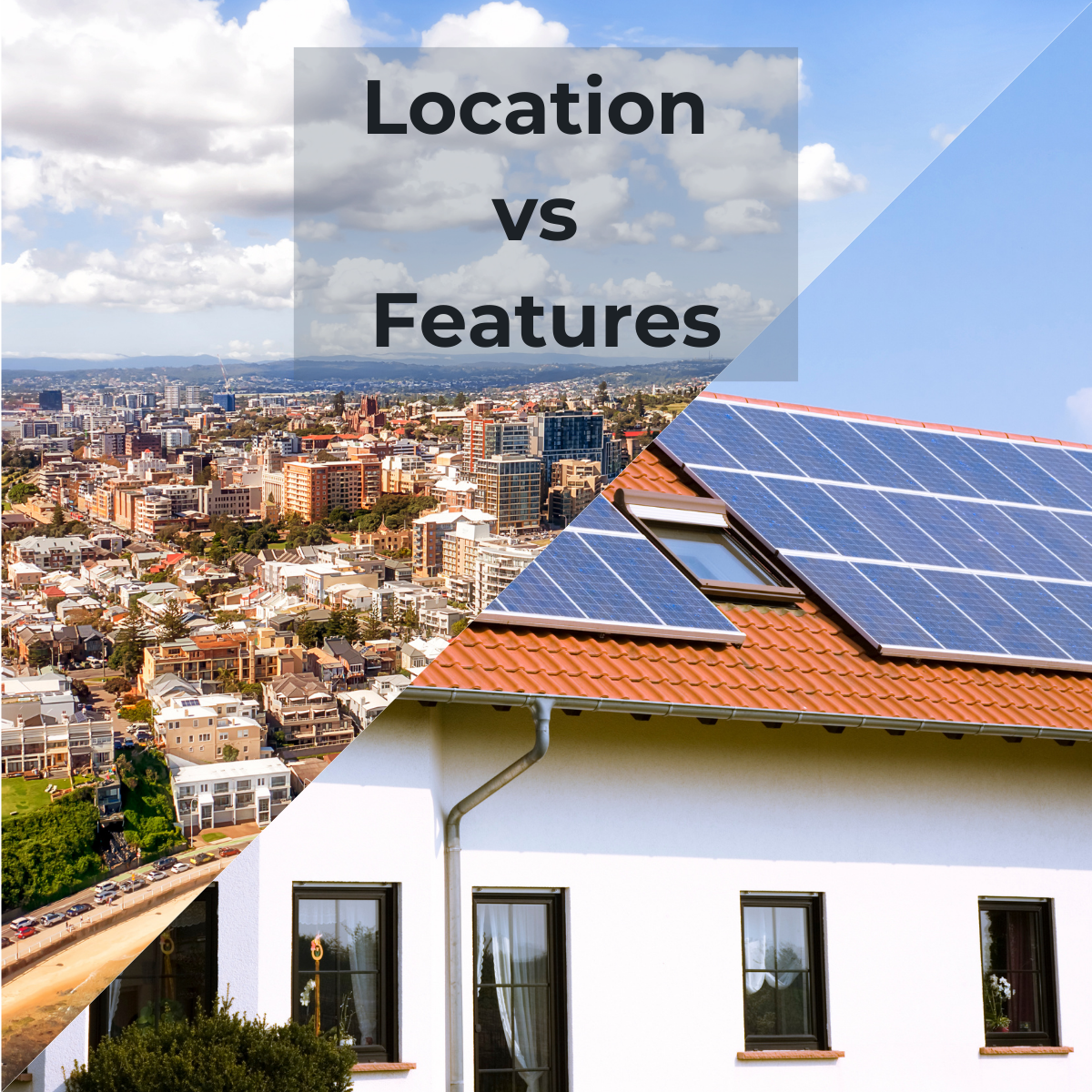
Both property location and features are crucial factors when it comes to investment properties, but location takes precedence over features. Here's why:
Location:
- Demand and Appreciation: Properties in prime locations tend to appreciate more over time.
- Being near amenities (like public transportation, schools, shopping centers, and recreational areas) can increase tenant demand and ultimately raise property value.
- Areas with population growth, diverse economies and infrastructure investment means there should be tenants with stable employment and home owners wanting to move into the area.
- Rental Income: A property in a high-demand location is likely to generate more consistent rental income. For example, being in a desirable neighborhood or near business hubs can ensure a steady stream of potential tenants.
- Liquidity: Location impacts the liquidity of your investment. If the location is in a growing or stable area, the property is easier to sell or refinance when needed.
The Street
The location (i.e. city, suburb, area within a suburb) are all important as discussed above, but what about the street the property is on?
A quality street also helps to boost demand and appreciation. House-proud neighbours who look after their property and invest in their property makes the area more attractive, aiding in tenant atraction and retention, and future growth.
High side versus low side of the street can also be relevant; high side is generally favourable but if the low side has views and the property still gets lots of light this can be fine. The type of street (cul de sac, local road, main road etc) is also of paramount importance as most people tend to want to live in quieter streets.
Wider, tree-lined streets are also favourable.
Are Views a "location factor"?
While "location" generally refers to things like proximity to amenities, schools, transportation, and safety, views can enhance the desirability of a property and add significant value. Here's why:
- Desirability & Premium: Properties with stunning views can command a premium price, whether for sale or for rent. People tend to be willing to pay more for a property that offers an aesthetically pleasing or tranquil view.
- Rental Demand: If the view is attractive or rare, it can increase the appeal to tenants who want that special experience. For example, waterfront views, mountain vistas, or even cityscapes can make a property stand out and attract high-quality tenants, allowing for higher rents.
- Long-Term Value: Views, especially those that are protected by zoning laws (such as a view of a natural park or landmark), can help maintain or even increase a property’s value over time, especially if surrounding development doesn’t block the view.
Features:
- Tenant Appeal: Features like modern appliances, parking spaces, or outdoor space can make a property more appealing to potential tenants, which can improve rental income.
- Maintenance Costs: High-quality features or newer construction can reduce maintenance costs in the long term, which can impact the overall profitability of the investment.
- Differentiation: In a competitive market, differentiation is key to set you apart from other properties, especially when location alone isn't enough to secure tenants and/or maximise resale. Having attractive features (like a renovated kitchen or energy-efficient systems) can be appealing.
Not all features are easy to change though, so you need to understand what can and can't be done easily when assessing a property. Simple improvements like painting, new carpet, landscaping, new appliances etc are all easy and relatively inexpensive to do, in order to maximise rent and future resale.
How important is Aspect?
In Australia, a northerly aspect is often considered ideal because it allows gardens to thrive and maximizes natural light. However, this doesn’t automatically make a property more valuable. For the aspect to add value, the garden and living areas need to face north or northeast, ensuring sunlight during winter and optimal natural light inside the home, depending on window placement.
Homes with abundant natural light tend to attract more buyers, creating higher competition and potentially higher prices.
For freestanding houses, the ideal is windows on all four sides to allow light from multiple directions. In apartments, it’s ideal for the living room to face north, especially if the apartment has fewer windows.
For investors, the aspect can impact a property’s desirability, vacancy periods, and resale value. Tenants prefer well-lit homes, so properties with good aspects tend to have lower vacancy rates and higher rent. Dark properties, on the other hand, may attract tenants temporarily but may face higher turnover rates.
What if you are planning to develop a property?
Planning to develop? If you will knock down/rebuild then the property features are much less important.
If you plan to rent the property for some time then develop, then features are more important, but location is still the prime concern (as well as ensuring it is a good development site of course).
Either way, location is still the most important element for would-be developers.
What other factors are important to consider?
Everyone has different needs so when buying a property you should focus on the factors that are most important to you and your goal.
Other factors you should consider include but are not limited to:
- Environmental risks - is the property in a flood zone, bushfire area, landslip zone, mine subsidence etc
- Government legislation - what is the legislation for renters and how does this impact me as an investor? Are there known changes coming?
- Development activity - what other developments are planned nearby and what is the positive or negative impact of these?
- Supply and demand in the area - if there is a huge subdivision going in around the corner, understand this will generate an influx of supply which could impact your short term capital growth. This may also result in more afluent people and new facilities so this also needs factoring in (more growth is not always bad).
- Contract risks - are there risks in the Contract that you can't address or mitigate? Ensure you get a solicitor or conveyancer to work with you and help you to understand the contract and assess any risks.
- Easements on Title - are there any easements (water, sewer etc) that have a negatve or restrictive impact on your property; these limit your development options and can also de-value your land and limit your pool of future purchasers.
Summary
Location is the dealbreaker. You can renovate a property and improve features, but you can’t change the location.
It’s best to focus on properties in desirable areas and then enhance features to maximize return. This return is by way of rental return but also capital growth when you sell or refinance into the future.
Disclaimer
The above information is of a general nature. Please speak to a property buying expert for advice specific to your individual situation and goals. You may also wish to obtain advice from other professionals such as an accountant, financial planner, mortgage broker/your bank and/or solicitor.